What happens when corporate documents vs. business reality stop lining up? Corporate documents are fixed at the moment they are created, capturing a specific snapshot of the business at that time.
Business activity does not stay fixed the same way. Decisions, roles, and economics keep evolving long after the paperwork was signed. This guide explains where the gap between corporate documents and business reality actually shows up, and why it often goes unexamined. It also covers what happens once the two versions get compared.
Key Takeaways
- Corporate documents reflect a specific moment. The business keeps evolving after that moment, and the documents often do not.
- Certain documents, like the share register, shareholder agreement, and employment records, tend to go stale first.
- The gap between documents and reality can remain unexamined for years without causing any obvious problem.
- When the gap gets reviewed, both versions must be reconciled, and the analysis is not limited to the paper record alone.
- Conduct becomes relevant once documents and reality are compared. How people actually behaved matters as much as what was written down.
This guide draws on more than ten years of experience helping Ontario businesses find these gaps.
Corporate Documents vs. Business Reality: Why the Gap Emerges
Corporate documents are fixed at the time they are created. They reflect a specific moment, capturing ownership, roles, and expectations as they existed on the day the documents were signed.
Business activity does not remain fixed the same way. Decisions, roles, and economics evolve continuously as the business grows and as circumstances change.
The people involved adapt to what the business actually needs. The documents, left untouched, keep describing the moment they were created rather than the business as it exists today.
Which Documents Tend to Go Stale First
Some documents drift out of date faster than others, simply because they get referenced less often in day-to-day operations.
The Share Register and Minute Book
The minute book is often the first thing to fall behind. Share issuances, director changes, and key resolutions frequently happen informally, with the paperwork intended to follow later.
That follow-up step is easy to skip once the immediate decision has been made.
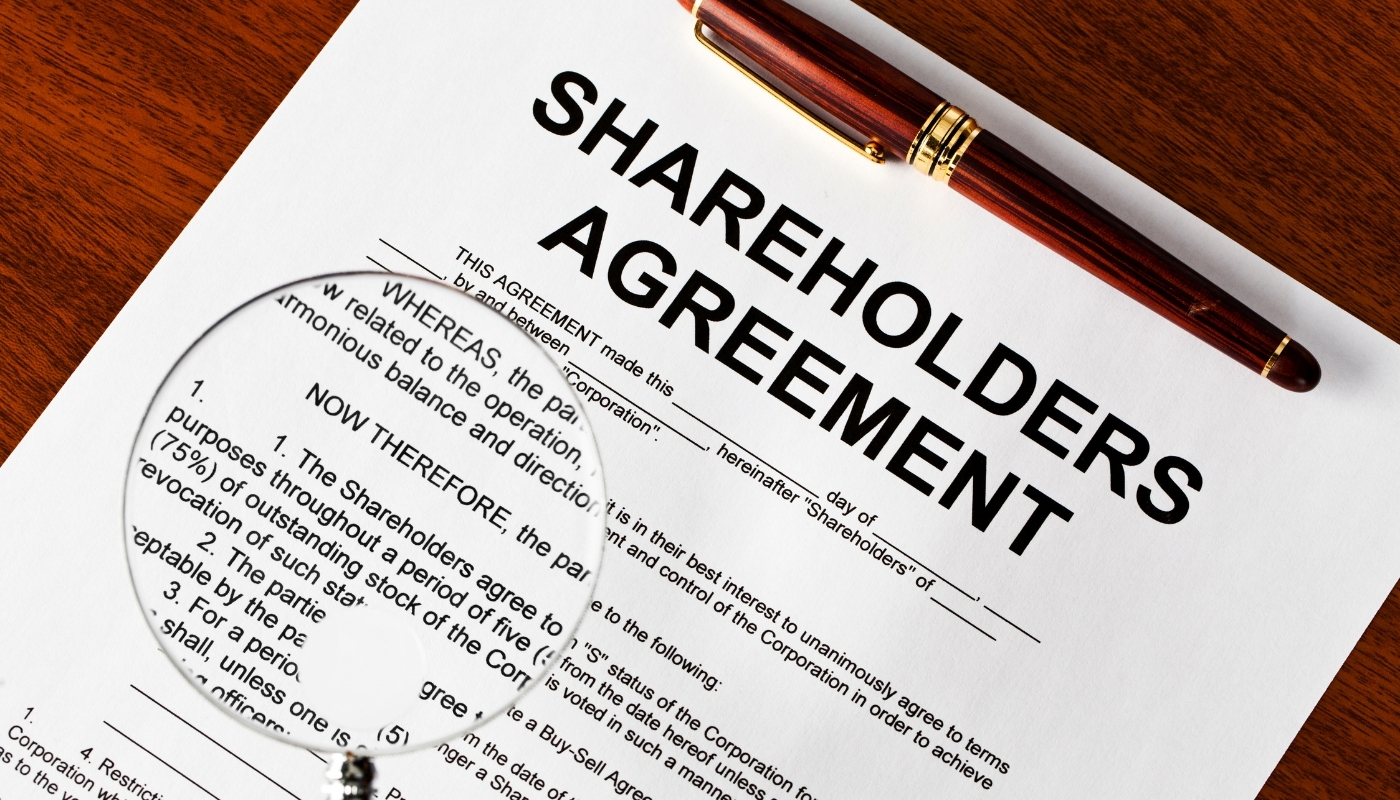
The Shareholder Agreement
A shareholder agreement is typically drafted once, early in a company's life. It is rarely revisited unless a specific event forces the question.
As roles, contributions, and expectations shift, the agreement can end up describing an arrangement that no longer fits. The owners may work together quite differently now.
Employment and Compensation Records
Compensation arrangements and role descriptions often change through conversation rather than through updated paperwork.
Someone takes on more responsibility, or compensation gets adjusted informally. Often no corresponding update happens to the employment agreement or corporate resolution.
What the Gap Actually Looks Like in Practice
The gap between documents and reality is rarely dramatic. It tends to show up in specific, concrete mismatches.
A shareholder agreement might describe a 50-50 ownership split. One owner may have been contributing significantly more capital or effort for years without any formal adjustment.
A minute book might list directors who left the company long ago and omit people who have been making decisions in their place. An employment agreement might describe a junior role for someone who has effectively run a department for two years.
None of these gaps necessarily reflects bad intent. They usually reflect a business that kept moving while the documentation stood still.
Why This Gap Often Goes Unexamined
This gap can remain unexamined for a long time without creating any visible problem.
The business continues operating, and revenue keeps coming in. Everyone involved generally understands the current arrangement, even if it does not match what is written down.
Without an event forcing someone to pull the documents and compare them to reality, there is rarely a moment anyone notices. For a broader explanation of this pattern, see our guide on business structure in Ontario.
What Happens When Documents and Reality Get Compared

When the documents finally get reviewed, both versions have to be reconciled.
This typically happens because of an external event. An investor might be conducting due diligence, or a lender might be assessing a loan.
A dispute between owners might also force everyone to look closely at what was actually agreed. At that point, the mismatch becomes something that has to be resolved rather than something that can be left ambiguous.
Conduct Becomes Relevant, Not Just the Paper Record
The analysis is not limited to the documents alone.
Once a real gap is identified, conduct becomes relevant. How the parties actually behaved, what they communicated, and what they treated as true over time all matter. These factors become part of how the situation gets interpreted.
A shareholder agreement stating one thing does not automatically override years of conduct reflecting something different. This is often the same dynamic behind disputes when a business structure stops reflecting how a company operates.
How to Reconcile the Two Versions
Reconciling documents with reality does not require starting from scratch.
It starts with identifying where the current paperwork actually diverges from how the business runs today. This means focusing specifically on ownership, roles, and compensation.
Where a change was mutual and intentional, formalizing it through a resolution or amendment is usually straightforward.
Where a change was informal, or where the parties would describe it differently, that gap deserves careful attention. It should be resolved before it gets tested by an outside party.
Why Relying on Outdated Documents Is Risky Even Internally

The risk from this gap is not limited to what happens when an outside party looks closely.
Owners sometimes rely on the written documents themselves to settle an internal disagreement. They assume the paperwork will simply confirm their position. This can backfire badly if the documents describe an arrangement from years earlier.
Everyone may have already moved past it through conduct and informal agreement. Pointing to an outdated document does not automatically win the argument.
It can instead reveal that neither the paperwork nor the actual practice was ever properly reconciled. This weakens both sides' positions rather than strengthening either one.
This is one more reason to treat the gap as worth closing proactively. Do not assume the documents will simply back up whichever version of events feels correct at the time.
How This Connects to the Rest of the Deal
This kind of mismatch rarely appears on its own. It often connects to other structural questions worth checking at the same time.
An informally added shareholder is one of the most common sources of a stale share register. The ownership shift may never get formally documented. Investors reviewing a company's structure are also among the most common groups to surface this gap. Their due diligence forces a direct comparison between documents and reality.
The Bottom Line
Corporate documents reflect a specific moment, while business reality keeps moving. The gap between them tends to grow gradually. It shows up first in the share register, the shareholder agreement, and employment records.
This gap can go unexamined for years without causing an obvious problem. Once it gets reviewed, both versions have to be reconciled, and conduct matters as much as the paperwork itself.
If your corporate documents may no longer match how your business actually operates, our team at Levine Law can help. We can identify the gaps and reconcile them before an outside party does it for you.
Frequently Asked Questions
Why do corporate documents stop matching business reality?
Because documents reflect a fixed moment when they were created. The business keeps evolving through decisions, role changes, and shifting economics.
Which corporate documents tend to go out of date first?
The share register, minute book, shareholder agreement, and employment records are the most common documents to fall behind.
Can this gap exist without causing any obvious problem?
Yes. A business can operate normally for years while documents and practices quietly diverge, without an event forcing review.
What triggers a review that surfaces this kind of gap?
Common triggers include investor due diligence, a lender assessing financing, or a dispute between owners.
Does conduct matter if the documents say something different?
Yes. How the parties actually behaved over time becomes part of the analysis, not just what the written documents state.
How is the gap between documents and reality usually resolved?
By weighing the documented record and actual conduct together, especially where a change was mutual and intentional.
Is fixing this gap always a major undertaking?
Not necessarily. Where changes were intentional and understood, formalizing them through a resolution or amendment is often straightforward.
How does this connect to informally adding a shareholder?
An informally added shareholder is a common source of a stale share register, since the change may never get formally documented.